
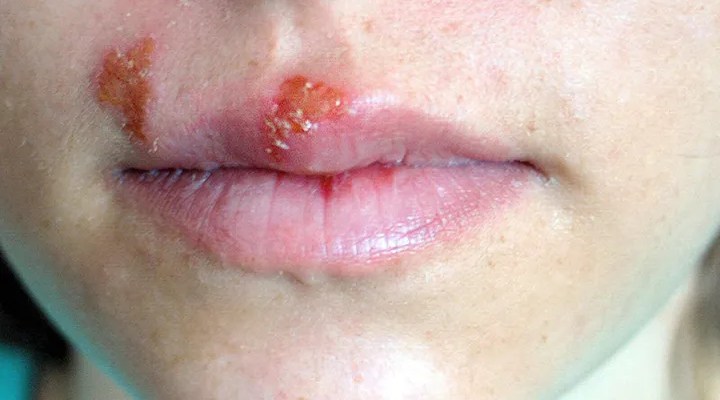
Herpes is a common viral infection that affects millions of people worldwide. Although it can cause concern due to visible symptoms, understanding what herpes looks like can help with early recognition, treatment, and prevention. The appearance of herpes can vary depending on the type of virus and the stage of the infection.
Types of Herpes
There are two main types of herpes simplex virus (HSV):
- HSV-1 (Oral Herpes): Commonly causes sores around the mouth and lips.
- HSV-2 (Genital Herpes): Usually affects the genital or anal area.
Both types can appear in different locations and may look similar.
Early Signs of Herpes
Before visible symptoms appear, many people experience warning signs such as:
- Tingling or itching
- Burning sensation
- Mild pain or sensitivity in the affected area
These early signs often occur one to two days before sores develop.
Appearance of Herpes Sores
Herpes usually appears as:
- Small red bumps or tiny blisters
- Fluid-filled sores that may cluster together
- Open sores after blisters burst
- Scab formation as the sores heal
The sores can be painful, itchy, or uncomfortable, especially during the first outbreak.
Oral Herpes Appearance
Oral herpes often looks like:
- Cold sores or fever blisters
- Red, swollen areas around the lips or mouth
- Crusting sores during healing
These sores usually heal within 7 to 10 days.
Genital Herpes Appearance
Genital herpes may appear as:
- Small blisters or ulcers on the genitals, thighs, buttocks, or anus
- Redness and swelling around the affected area
- Painful urination in some cases
Healing can take 2 to 4 weeks during the first outbreak.
Mild or No Symptoms
Not everyone with herpes develops noticeable sores. Some people have very mild symptoms or none at all, making the virus difficult to detect without testing.
When to See a Doctor
You should seek medical advice if:
- You notice unexplained sores or blisters
- Symptoms are severe or recurring
- You are unsure about the cause of skin changes
A healthcare provider can confirm herpes through examination and laboratory tests.
Final Thoughts
Herpes can look different from person to person, but it commonly starts as small blisters that heal over time. While there is no cure, treatments can reduce symptoms, speed healing, and lower the risk of spreading the virus. Early recognition and medical guidance are key to managing the condition effectively.